Postpartum Urinary Incontinence: Exactly How To Handle Loss Of Bladder Control After Birth
Giving Birth & Incontinence Urogynecology & Pelvic Health And Wellness Any difference on qualification was resolved through conversation with a third reviewer. When you're pregnant, the expanding infant can place enhancing stress on your pelvic frameworks and make you need to pee much more frequently and with even more seriousness. Generally, this loss of bladder control is restored a few weeks after the birth of your child. Walking, and raising weights are one of the most important structures of all for healthy bone thickness and core security. Recovering excellent technicians, reliable movement patterns, and stability maintains you running without leakages. Additional therapies like restorative ultrasound and hormone-balancing light treatments improve outcomes by nourishing cells. Spending devotion into proper progressive loading methods avoids long-lasting problems like pelvic organ prolapse or reoccurring leak. With enough persistence and sensible pacing, you will reclaim your prebaby running happiness again. Postpartum healing calls for ample time for overstretched and shocked cells to redesign and reinforce. Hurrying back right into extreme exercise prematurely overstresses at risk locations, prompting reinjury and postponing recovery.
How Do I Prevent Incontinence After Maternity?
What does postpartum incontinence feel like?
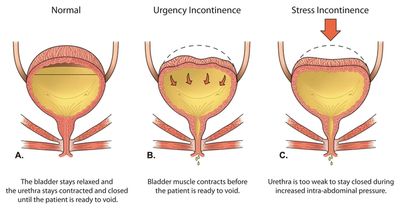
Around 1 in 3 females experience urinary system incontinence after having a child. After giving birth, you could leakage pee when you laugh, coughing, sneeze, lift something or workout. Pregnancy hormonal agents, the weight of your uterus and having a genital birth can all stretch the pelvic flooring muscles that support your bladder.
When you restrict water intake, your urine becomes a lot more concentrated, which can irritate the bladder and enhance the urge to go. Staying well-hydrated assists keep your bladder lining healthy and balanced and might make it less complicated to handle leakages. If you consume recognized bladder irritants, consuming added water can assist weaken their effects. Dripping pee when you laugh, cough, sneeze, or bend over to pick up your infant-- or perhaps just a continual dribble when you the very least expect it. Postpartum urinary system incontinence may not be a hot child shower topic, but dripping urine after giving birth is a typical experience that affects concerning one in 3 individuals postpartum. Prior to recommending any kind of treatment for your incontinence symptoms, Dr. Roberts carries out a physical examination, often including examinations and testing focused on your bladder function.
Managing Postpartum Urinary Incontinence With A Newborn
Actually, as lots of as 4 in 10 women experience urinary system incontinence during pregnancy, and some new mothers proceed having this issue after giving birth. In addition to Kegels, a pelvic flooring physiotherapist can assist you through even more customized workouts that target your pelvic muscles effectively and securely. They may additionally advise strategies like psychophysiological feedback more info to aid enhance muscle mass sychronisation. The pressure and stretching decrease the natural assistance for your bladder, which makes you most likely to leakage urine when you cough, sneeze, or perhaps laugh. As every woman that provides a youngster understands, labor and delivery topic the body to pressures that are not come across in any type of various other scenario. As the child's head boils down right into the hips, it presses against the muscle mass that line the inside of the pelvis. The further down the infant's head goes into the pelvis, the higher the stress against these muscular tissues and hidden nerves.
Actually, as numerous as four in 10 women experience urinary incontinence during pregnancy, and some new mommies proceed having this trouble after delivering.
Pelvic floor physical therapy is a specialized, evidence-based therapy that exceeds fundamental workouts and is extremely efficient for postpartum urinary incontinence.
As soon as you've recognized those muscle mass, you can add kegel sessions to your everyday routine.
This type of urinary incontinence is called tension incontinence, and it typically lasts for numerous weeks after maternity, till your body has a possibility to recuperate. When you're literally able, daily Kegel workouts can reinforce your pelvic flooring muscles. You can do pelvic flooring exercises by squeezing and holding your pelvic muscle mass for about 10 secs. As component of the amazing pressures on a female's body during delivery of the infant, the pelvic cells may be subjected to harm. After the cervix is completely dilated, the pushing phase of labor starts. The mommy is normally asked to await a tightening to begin, then hold her breath, and bear down as hard as she can in order to push the baby out. This birthing down presses the infant's head versus the mom's muscular tissues and nerves to such an extent that the regular circulation of blood is removed briefly till that push is over. Without a fresh supply of blood, the tissues are denied of oxygen and nourishment, making them extra susceptible to damages. The pressures created by pressing are 3 times more than the cells would typically endure for any prolonged time. However, minority minutes of remainder in between tightenings typically allows blood flow back to the location. Your experienced therapist assists figure out ideal training loads based on continence standing and cells irritability indicators after assessed tests. This imparts lifelong leak avoidance strategies and confidence to stay active. Specialist manual techniques and neuromuscular re-education methods teach you to properly recruit and work with target musculature, restoring closure force and body organ support from the within. Helping your specialist's hands on the surface incorporated with Incontinence pads interior vaginal touch communicates correct shooting series that Kegels alone can not accomplish.