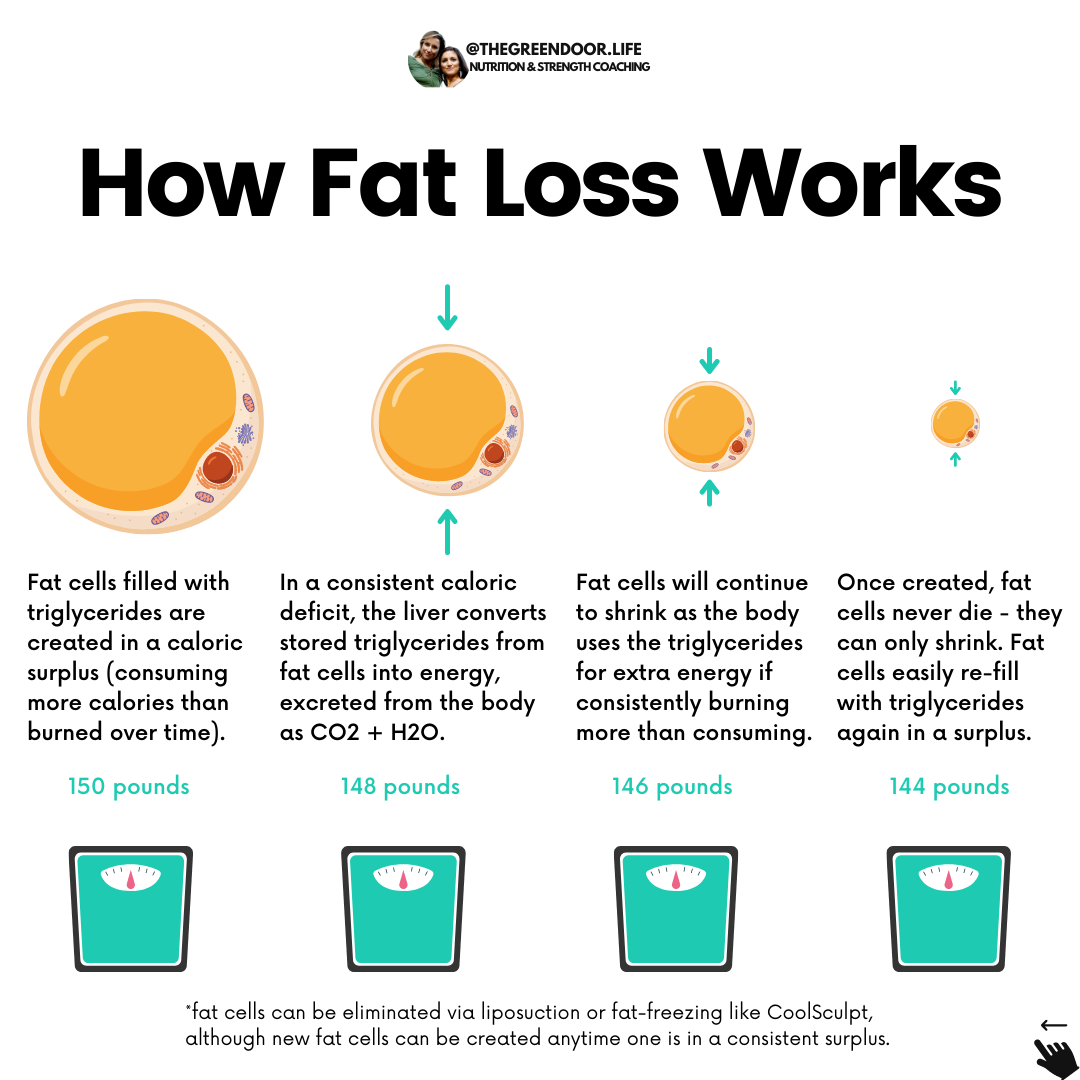
Exactly How Does Your Body Burn Fat?
Lipomas Are Benign Masses Caused By Overgrowth Of Fat Cells Low flowing adiponectin levels correlate considerably and individually with coronary artery disease (158 ), and are considered a threat factor for heart diseases (CVD) such as high blood pressure, coronary artery condition, and restenosis (159 ). The vascular endothelium is believed to mediate several of the cardioprotective impacts of adiponectin using AMPK activation and subsequent activation of eNOS (endothelial nitric oxide synthase) (160 ). Adipose tissue stores body fat as neutral TAGs and stands for the primary energy storage tank within mammals. Although lots of varied cell kinds are discovered in whole AT, adipocytes constitute the biggest cell quantities and are the specifying AT cell kind. White adipocytes are characterized by their large unilocular central lipid beads (cLDs). However, the biogenesis of unilocular LDs in adipocytes is badly recognized because of the delicate nature of WAT.
What burns fat on the body?

Exactly How Excessive Weight Results In Cell Damage And Kind Ii Diabetic Issues
- The vitamin D receptor (VDR) and 1α-hydroxylase (CYP27B1), the enzyme that triggers vitamin D, are expressed in human AT, primary preadipocytes, and newly-differentiated adipocytes (281 ).
- The heart, liver, and skeletal muscular tissue are thought about the main targets for adiponectin activity, and adiponectin's noticeable insulin-sensitizing results have been most fully characterized at the mechanistic level in liver and muscular tissue (117) (Figure 6).
- Conversely, obese computer mice with excess dWAT go through minimal flexible thermogenesis (367 ).
- This causes fat spilling right into vital organs, increasing the risk of severe metabolic and heart diseases.
- Nonetheless, when these frameworks are missing or malfunction, adipocytes end up being much more stiff, prone to rupture, and less effective at keeping energy.
Hypertrophy And/or Hyperplasia: Dynamics Of Fat Growth
Data from this study disclosed that like murine adipocyte-derived resistin, the humanized resistin induced systemic insulin resistance, fat inflammation, and elevated circulating cost-free fatty acids in high-fat diet (HFD)- fed mice. Adiponectin is a distinct and thoroughly studied adipocyte-derived hormonal agent with complicated biology. Initiatives to identify genetics controlled during adipogenesis led to the exploration of adiponectin in 1995 (112) and 1996 by 3 separate research groups utilizing different strategies (113-- 115). Secreted by adipocytes, adiponectin is characterized by its extremely high flowing levels reaching plasma concentrations in people of 2-20 ug/ml (116 ), values that are more than 1000-fold greater than many other secreted elements (Number 7). Unlike leptin, adiponectin degrees decease as a function of enhancing fat mass in both rats and people with obesity (115 ); thus, they are lower in patients with weight problems than those that are lean. Adipocytes can increase the size of to keep energy in the form of fat, avoiding excess lipids from gathering in body organs like the liver or in the blood vessel wall surface (particularly in the heart and the brain), where they might cause irreparable damage. In other experiments, Hausman revealed that sugar metabolism may also be a factor in early fat-cell formation. Fetal pigs that later on grew overweight had a greater level of glucose metabolic rate than those that advanced into having a much more typical weight circulation. It was also observed that hogs born to overweight mommies had larger fat cells and absorbed more lipids from the blood Fat freezing technology stream. Prior to surgery, targeting swelling with nutritional changes, physical activity, and potentially medicines like GLP-1 receptor agonists (e.g., Wegovy and Zepbound) can prepare the body for far better medical results. This dWAT adipocyte reaction is likewise essential for immune reaction to bacterial intrusion (373 ). Hair roots experience duplicated rounds of death and regrowth, referred to as the hair follicle cycle (367 ). Robust dWAT expansion is defined by boosted adipogenesis and facial adipocyte hypertrophy that accompanies the regrowth of hair follicles (374 ). We have our centers in Harley Road, London, Claremont Healthcare Facility, Sheffield, and Nuffield Health Center, Leeds. We also supply Weight reduction medications like Wegovy, Mounjaro and Ozempic to individuals who fit the standards. We additionally give face 2 face and online examinations to people from Barnsley, Rotherham, Chesterfield, Doncaster, Wakefield, Derby, Huddersfield, Bradford, Harrogate, Leeds, Sheffield and London. Adjustments in epididymal (A, B), inguinal (C, D), and brown (E, F) fat pad mass of FVB (A, C, E) and C57 (B, D, F) mice under chow and high-fat diet plan conditions. Each time point has 4 sample per team with exception of week 12 (8 examples per group) and 4 week C57 HFD (three samples per group). " As fat cells increase the size of, they end up being stressed and release inflammatory particles called adipokines and cytokines," Collins says. " These draw in immune cells like inefficient macrophages into the fat cells. This recurring, persistent immune activation creates systemic inflammation that can affect many organs." " For example, fat cells launch leptin, a hormone that commonly informs the body you are full," she says. Various other recognized duties for dWAT consist of insulation (372 ), barrier protection from skin infection (373 ), and hair follicle cycling (374 ). Computer mouse versions doing not have appropriate dWAT undertake chronic activation of BAT since the dWAT can not provide appropriate mitigation of body temperature level (367 ). On the other hand, obese computer mice with excess dWAT go through marginal adaptive thermogenesis (367 ). The dWAT thickening observed with cool exposure also accompanies microbial exposure. Adipocytes in dWAT differentiate and become hypertrophic and cause a thicker dWAT layer in action to skin Staphylococcus aureus. The adjustment of overall cell number is the recruitment price of brand-new cells if cell death is negligible; we discovered no need to include apoptosis at any kind of cell size to fit these experimental data. As a result, this recruitment rate can be directly acquired from the experimental result making use of the relation between total cell number and fat pad mass by distinguishing the function with respect to. After growth of adipose cells to a details dimension, they may be able to collect fat, triggering hypertrophy. In addition to this limiting growth price of tiny adipose cells, there may be additionally an upper growth limitation since big adipose cells can not expand indefinitely by this growth process, though they might attain larger dimensions by size changes caused by lipid turnover.